Schizophrenic sufferers and the impact of the insult to the PFC of the brain (ChatGPT)

Question: How do schizophrenics experience life when they get sick at 18? Does the development of the prefrontal cortex get affected by schizophrenics who get sick that young? What is the impact and trajectory of their lives as they grow older? Please give full and exhaustive details. Thank you.

ChatGPT answers:

Schizophrenia is a complex and chronic mental health condition that often manifests in late adolescence or early adulthood, around the ages of 18 to 25. When someone develops schizophrenia at 18, this period coincides with the final stages of brain development, particularly the maturation of the prefrontal cortex. The impact of schizophrenia at this age is profound and multifaceted, affecting cognitive, emotional, and social functioning, and significantly altering the trajectory of an individual’s life.

1. Impact on Brain Development

Prefrontal Cortex Development

  • The Prefrontal Cortex (PFC) is responsible for higher-order cognitive functions, such as decision-making, planning, impulse control, and social behavior. The PFC continues to develop and refine its connections into early adulthood.
  • Schizophrenia’s Impact on the PFC: When schizophrenia emerges at 18, it can disrupt the ongoing maturation of the PFC. This disruption may contribute to deficits in executive functions, including impaired decision-making, difficulty in organizing thoughts, and poor impulse control.
  • Neurobiological Changes: Schizophrenia is associated with structural and functional changes in the brain, including reduced gray matter volume, abnormal synaptic pruning (the process by which extra neurons and synaptic connections are eliminated to increase the efficiency of neuronal transmissions), and altered neurotransmitter systems (especially dopamine and glutamate). These changes can be more pronounced when the onset occurs during a critical period of brain development.

2. Cognitive Impact

  • Cognitive Decline: Schizophrenia often leads to cognitive decline, particularly in memory, attention, and problem-solving abilities. This can be more severe in individuals who develop the disorder in their late teens, as their cognitive development is still in progress.
  • Learning and Education: Individuals who develop schizophrenia at 18 may struggle with academic performance, as the disorder can impair the ability to concentrate, process information, and retain new knowledge. This can lead to difficulties in completing high school or pursuing higher education.
  • Social Cognition: Schizophrenia can also affect social cognition—the ability to understand and respond to social cues. This impairment can lead to social isolation and difficulties in forming and maintaining relationships.

3. Emotional and Psychological Impact

  • Emotional Dysregulation: The onset of schizophrenia can lead to significant emotional dysregulation, including inappropriate emotional responses, blunted affect (reduced emotional expression), and increased vulnerability to stress.
  • Development of Negative Symptoms: Negative symptoms, such as anhedonia (lack of pleasure), avolition (lack of motivation), and social withdrawal, are common in schizophrenia and can become more pronounced as the individual ages. These symptoms can severely impact the quality of life and the ability to engage in daily activities.
  • Psychosis and Reality Testing: Schizophrenia is characterized by episodes of psychosis, which include hallucinations (usually auditory) and delusions. These episodes can severely distort an individual’s perception of reality, leading to paranoia, fear, and confusion.

4. Social and Occupational Impact

  • Impact on Relationships: The onset of schizophrenia at 18 can strain relationships with family and friends. The individual may become socially isolated due to the stigma associated with mental illness and difficulties in understanding social cues.
  • Occupational Challenges: Schizophrenia can make it challenging to hold a job or pursue a career. The cognitive and emotional symptoms, combined with periods of psychosis, can interfere with the ability to work consistently or perform job-related tasks.
  • Life Trajectory: Individuals who develop schizophrenia at a young age may have a disrupted life trajectory, marked by frequent hospitalizations, reliance on social services, and difficulties in achieving traditional milestones such as independent living, stable employment, and long-term relationships.

5. Long-Term Trajectory and Quality of Life

  • Chronic Nature of the Disorder: Schizophrenia is a lifelong condition, and its symptoms tend to fluctuate over time. Some individuals may experience periods of relative stability, while others may have recurrent episodes of psychosis.
  • Impact on Life Expectancy: Individuals with schizophrenia have a reduced life expectancy, often due to a combination of factors, including higher rates of suicide, substance abuse, and chronic physical health conditions (e.g., cardiovascular disease, diabetes) that may be exacerbated by antipsychotic medications.
  • Role of Treatment and Support: Early intervention and consistent treatment (e.g., antipsychotic medication, psychotherapy, and social support) can improve outcomes for individuals with schizophrenia. However, access to effective treatment varies, and many individuals may struggle with adherence to treatment due to the nature of the illness.

6. Prognosis and Variability in Outcomes

  • Heterogeneity of Schizophrenia: Schizophrenia is a heterogeneous disorder, meaning its course and severity can vary widely among individuals. Some may experience relatively mild symptoms and achieve a degree of stability, while others may have more severe and persistent symptoms.
  • Factors Influencing Prognosis: Factors such as the severity of symptoms, the presence of supportive relationships, access to effective treatment, and the individual’s ability to manage stress and engage in meaningful activities all influence the long-term prognosis.
  • Potential for Recovery: While schizophrenia is a chronic condition, some individuals may experience periods of recovery, during which symptoms are well-managed, and the person can lead a fulfilling life. However, this often requires ongoing treatment, lifestyle adjustments, and strong support systems.

7. Cultural and Environmental Influences

  • Stigma and Discrimination: Schizophrenia is often misunderstood, leading to stigma and discrimination, which can further isolate individuals and reduce their quality of life. Cultural attitudes towards mental illness can significantly impact how individuals with schizophrenia are treated and whether they receive the support they need.
  • Socioeconomic Factors: Socioeconomic status can also play a role in the trajectory of schizophrenia. Individuals from lower socioeconomic backgrounds may have less access to healthcare, social services, and educational opportunities, which can worsen outcomes.

Summary

When schizophrenia develops at 18, it interferes with critical stages of brain maturation, particularly in the prefrontal cortex. This can lead to significant cognitive, emotional, and social impairments. The long-term trajectory of someone with early-onset schizophrenia is often marked by challenges in education, employment, relationships, and overall quality of life. However, with appropriate treatment and support, some individuals can achieve periods of stability and lead fulfilling lives, though the disorder remains a lifelong challenge.

ChatGPT

N.B. The worse thing than being a spinster is marrying the wrong guy. Foot-stop. And I pity the kids.

Broken heart syndrome

While it’s rare, intense emotional stress, such as that from a broken heart, can indeed have severe physical consequences. The phenomenon known as “broken heart syndrome,” or stress-induced cardiomyopathy (also called Takotsubo cardiomyopathy), involves a sudden, temporary weakening of the heart muscle. This condition can mimic a heart attack, with symptoms such as chest pain and shortness of breath. Although broken heart syndrome can be severe and, in very rare cases, fatal, most people recover fully with appropriate treatment.

Broken heart syndrome, also known as Takotsubo cardiomyopathy, is a temporary heart condition brought on by stressful situations and extreme emotions. It was first described in Japan in 1990 and named “Takotsubo” after the Japanese word for an octopus trap, which the left ventricle of the heart resembles during the syndrome.

Causes

The exact cause of broken heart syndrome isn’t entirely clear, but it is often triggered by extreme emotional or physical stress, such as:

  • The death of a loved one
  • A serious medical diagnosis
  • Domestic abuse
  • Financial loss
  • Intense fear or anxiety
  • Severe pain
  • Surprising good news (e.g., winning the lottery)

Symptoms

Symptoms of broken heart syndrome can mimic those of a heart attack and typically include:

  • Chest pain
  • Shortness of breath
  • Irregular heartbeats (arrhythmias)
  • Generalized weakness

Mechanism

In broken heart syndrome, a surge of stress hormones like adrenaline temporarily damages the heart’s left ventricle, causing it to balloon out. This weakens the heart’s ability to pump blood effectively.

Diagnosis

To diagnose broken heart syndrome, doctors may perform several tests, including:

  • Electrocardiogram (ECG): To check for heart rhythm abnormalities.
  • Blood tests: To look for markers of heart damage.
  • Echocardiogram: To visualize the heart’s structure and function.
  • Cardiac MRI: To get detailed images of the heart.
  • Coronary angiography: To rule out blockages in the coronary arteries.

Treatment

There is no specific treatment for broken heart syndrome, but supportive care is crucial. Treatment often involves:

  • Medications to manage symptoms (e.g., beta-blockers, ACE inhibitors)
  • Monitoring and supportive care in a hospital setting
  • Addressing and managing stress and emotional health through therapy or counseling

Prognosis

Most people recover fully within weeks or months, but the condition can recur in some individuals. It’s important to follow up with a healthcare provider and manage stress to reduce the risk of recurrence.

Prevention

While it’s difficult to prevent an initial episode of broken heart syndrome, managing stress and maintaining a healthy lifestyle can help reduce the risk of future episodes. Practices such as mindfulness, regular exercise, and seeking support during stressful times can be beneficial.

Real-life examples of broken heart syndrome often involve extreme and sudden emotional stress. Here are a few notable cases:

Real-Life Examples

  1. Debbie Reynolds and Carrie Fisher (2016):
    Actress Debbie Reynolds suffered a fatal stroke just one day after the death of her daughter, Carrie Fisher. Many speculated that Reynolds died of a broken heart due to the intense emotional stress of losing her daughter.
  2. A Widow’s Grief:
    Numerous cases have been reported where elderly individuals pass away shortly after their long-term spouse dies. This phenomenon is often linked to the extreme emotional stress of losing a life partner.
  3. 9/11 Attacks:
    Following the September 11 terrorist attacks, there was a noticeable increase in cases of stress-induced cardiomyopathy among people who were directly affected by the traumatic events.

Long-term Effects of Childhood Abuse or Bullying

While broken heart syndrome is typically associated with acute stress, long-term emotional stress from childhood abuse or bullying can also have severe and lasting impacts on heart health. Chronic stress from such experiences can lead to:

  • Increased risk of cardiovascular disease: Persistent stress can contribute to high blood pressure, inflammation, and other risk factors for heart disease.
  • Mental health issues: Conditions like depression, anxiety, and PTSD, which are common in those with a history of abuse or bullying, can further exacerbate heart health issues.
  • Behavioral risks: Individuals with a history of abuse or bullying might adopt unhealthy coping mechanisms, such as smoking, poor diet, or substance abuse, which can negatively impact heart health.

While chronic stress from childhood abuse or bullying might not directly cause broken heart syndrome, it can certainly predispose individuals to various heart-related issues and increase their vulnerability to stress-induced cardiomyopathy during acute stressful events later in life. Managing and treating the psychological impacts of such early trauma is crucial for overall long-term health.

Generated by ChatGPT

What it means to be suicidal by the age of 7

Experiencing suicidal thoughts by the age of 7 is a serious and concerning indicator that suggests significant underlying issues, often related to parenting, trauma, and the child’s environment. Here are some key points to consider:

Implications for Parenting and Trauma

  1. Severe Emotional Distress:
    Suicidal thoughts in a young child typically reflect extreme emotional distress and a feeling of hopelessness. This can arise from various traumatic experiences or ongoing adverse conditions.
  2. Exposure to Trauma:
    Children who become suicidal at such a young age are often exposed to severe trauma, such as physical, emotional, or sexual abuse; neglect; domestic violence; or witnessing traumatic events. This exposure can severely impact their mental health and development.
  3. Lack of Emotional Support:
    A child experiencing suicidal thoughts may lack adequate emotional support and nurturing from caregivers. This could be due to parental neglect, substance abuse, mental health issues in parents, or an overall unstable home environment.
  4. Bullying and Social Isolation:
    Bullying and social isolation at school or in other social settings can also contribute to suicidal thoughts in young children. The lack of a safe and supportive social network exacerbates feelings of loneliness and despair.
  5. Parental Mental Health:
    The mental health of parents or primary caregivers plays a crucial role. Parents dealing with their own mental health issues might struggle to provide the necessary emotional support and stability for their child.

Impact on Child Development

  1. Emotional and Psychological Impact:
    Early suicidal thoughts can severely impact a child’s emotional and psychological development, leading to chronic mental health issues such as depression, anxiety, and PTSD.
  2. Cognitive Development:
    Trauma and emotional distress can interfere with cognitive development, affecting learning, concentration, and overall academic performance.
  3. Social Development:
    Children experiencing severe distress may struggle with forming healthy relationships, trusting others, and developing social skills.

Addressing the Issue

  1. Immediate Intervention:
    Early intervention is crucial. This includes providing immediate mental health support through counseling, therapy, and, if necessary, psychiatric care.
  2. Creating a Safe Environment:
    Ensuring the child is in a safe, stable, and nurturing environment is essential. This may involve removing the child from harmful situations or addressing issues within the home.
  3. Parental Support:
    Providing support and resources for parents or caregivers is important. This can include parenting classes, therapy for parents, and family counseling to improve the overall home environment.
  4. School and Community Support:
    Schools and community organizations can play a supportive role by offering counseling services, creating anti-bullying programs, and providing safe spaces for children to express themselves.
  5. Long-term Care:
    Ongoing mental health care and monitoring are necessary to address the long-term effects of early trauma and prevent future crises.

In summary, suicidal thoughts at a young age indicate severe underlying issues often linked to trauma and inadequate parenting or environmental factors. Addressing these issues requires immediate and comprehensive intervention to ensure the child’s safety and well-being.

Generated by ChatGPT

All politicians need to do is to do due diligence

The question of whether it is worth saving a person’s life who cannot contribute to society due to mental health issues is a deeply complex ethical issue. Here’s a comprehensive perspective on it:

Value of Life

  1. Inherent Value:
    Every human life has inherent value, regardless of an individual’s ability to contribute to society. Human dignity and worth are not contingent on productivity or economic contribution.
  2. Potential for Recovery:
    Mental health issues, while sometimes chronic, are not always permanent. Many individuals with severe mental health conditions can and do experience periods of improvement or recovery with appropriate treatment and support.
  3. Quality of Life:
    Mental health care aims to improve the quality of life for individuals, helping them find meaning, joy, and a sense of belonging, even if they cannot work or volunteer.

Ethical Considerations

  1. Duty of Care:
    Society has an ethical duty to care for its most vulnerable members. Providing support for those with severe mental health issues reflects societal values of compassion and solidarity.
  2. Rights and Autonomy:
    Individuals have the right to receive adequate care and to live with dignity. This includes access to mental health services, housing, and other forms of support.
  3. Stigma and Discrimination:
    Supporting individuals with severe mental health issues challenges stigma and discrimination, promoting a more inclusive and understanding society.

Medically Assisted Death and Suicide

  1. Ethical Dilemmas:
    The legalization of medically assisted death or suicide by a doctor’s persuasion raises significant ethical questions. It involves balancing respect for individual autonomy with the potential for abuse and the societal value placed on preserving life.
  2. Safeguards and Criteria:
    In jurisdictions where medically assisted death is legal, stringent safeguards are typically in place. These include rigorous assessment criteria to ensure that individuals are making informed, voluntary decisions without coercion.
  3. Mental Health Considerations:
    The inclusion of mental health conditions as criteria for medically assisted death is particularly contentious. Mental health conditions can impair judgment, and symptoms can fluctuate over time. Ensuring true informed consent in these cases is challenging.

Alternatives and Support

  1. Comprehensive Mental Health Care:
    Investing in comprehensive mental health care, including early intervention, therapy, medication, and community support, can improve outcomes for individuals with severe mental health issues.
  2. Social Support Systems:
    Strengthening social support systems, including disability benefits, housing assistance, and community programs, can help individuals lead fulfilling lives despite their limitations.
  3. Advocacy and Awareness:
    Promoting advocacy and awareness around mental health can reduce stigma and encourage more inclusive policies and practices.

Conclusion

The worth of saving a person’s life cannot be measured solely by their ability to contribute economically to society. Every individual has inherent worth and the potential for a meaningful life with appropriate support. The ethical and practical implications of medically assisted death, especially for those with mental health conditions, require careful consideration and robust safeguards. Promoting comprehensive mental health care and social support systems is a compassionate and ethical approach to supporting vulnerable individuals.

Generated by ChatGPT

What ChatGPT says about borderline personalities

For all you big boys who don’t like borderline people, here’s some INFO and not mere opinion.

Are people born with borderline traits or did they choose them?

People are not born with borderline personality disorder (BPD) traits, nor do they choose them. The development of BPD is typically understood as the result of a complex interplay of genetic, environmental, and psychological factors.

  1. Genetic Factors: Research suggests that genetics can play a role in the development of BPD. There is evidence that BPD may run in families, indicating a potential hereditary component. However, specific genes have not been definitively identified.
  2. Environmental Factors: Early life experiences are crucial in the development of BPD. Traumatic experiences, such as childhood abuse or neglect, unstable family environments, and other forms of severe stress during formative years, are strongly associated with BPD.
  3. Psychological Factors: Individual psychological characteristics, including temperament and personality traits, can also contribute to the development of BPD. For instance, people with heightened emotional sensitivity and difficulty regulating emotions might be more susceptible to developing BPD in response to adverse experiences.

In summary, BPD traits emerge from a combination of inherited predispositions and environmental influences, rather than being an inherent or chosen condition.

Why do people hate and stigmatize borderline personality

The stigma and negative attitudes towards borderline personality disorder (BPD) arise from a combination of factors, including misunderstandings about the condition, the behaviors associated with it, and broader societal attitudes towards mental illness.

  1. Misunderstanding and Lack of Awareness: Many people have limited knowledge about BPD and may not understand that it is a serious mental health condition with specific diagnostic criteria. This lack of understanding can lead to misconceptions and fear.
  2. Challenging Behaviors: People with BPD can exhibit intense emotional reactions, unstable relationships, impulsive behaviors, and episodes of anger or self-harm. These behaviors can be difficult for others to manage or understand, leading to frustration and negative judgments.
  3. Media Portrayal: The media often portrays individuals with BPD in a negative light, emphasizing extreme behaviors without providing context about the underlying condition. These portrayals can reinforce stereotypes and stigma.
  4. Blaming the Individual: There is a tendency to blame individuals for their mental health issues, viewing their behaviors as choices rather than symptoms of a disorder. This is particularly problematic for BPD, where behaviors can be seen as manipulative or attention-seeking.
  5. Lack of Effective Communication: People with BPD might struggle with interpersonal communication, leading to misunderstandings and conflicts that can strain relationships with family, friends, and healthcare providers.
  6. Fear of Unpredictability: The unpredictable nature of BPD symptoms can make people feel uncertain and uneasy, contributing to negative perceptions and a desire to distance themselves.
  7. Historical Stigma of Mental Illness: Broader societal stigma against mental illness contributes to the negative perceptions of all mental health conditions, including BPD. Historical views of mental illness as a personal failing or moral weakness continue to influence attitudes today.

To combat stigma, it’s important to promote education and awareness about BPD, emphasizing that it is a legitimate and treatable mental health condition. Compassionate and informed support can make a significant difference in the lives of those with BPD.

Commentary: So much for compassionate and useful enlightenment in academia. I guess not everyone is in their profession for the practice of it itself. Even when it comes to teaching, not every teacher does what s/he teaches others to do. ie. neurobiologists who perseverate hate on the mentally ill when they’ve been shown up. Even when mental illness is about malaise of the mind. Is the irony lost on you?

Oh no, of course not. It’s about “bro science”. It’s about setting up a podcast under the pretence of teaching but really they just want an exclusive, self-glorifying club of bros who can be self-empowered enough to interview heavy hitters while conscious that the world of some roughly 1.4M fans watch in awe and adulation. And that is definitely not lost on them although they may not really respect their fans. And they’re not even on the schizoid spectrum. So since you’re so normal and healthy, Suck it up and be the bigger man.

Green Party give plain speech condemnation against Liberal policy delay of Canada Disability Benefits

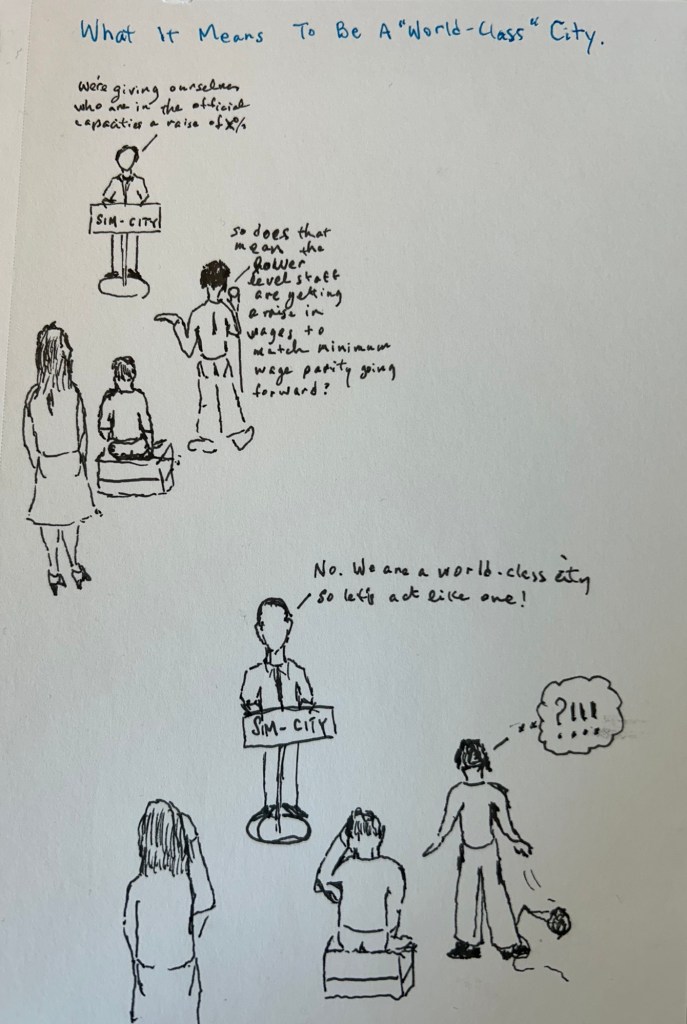
The Liberals are maintaining status quo on legislated poverty for the disabled saying “we can’t fund everything”. The NDP gives lip service. Only the Greens make sense. Since there is no good option otherwise and since my vote will only enable further government delays or conservative cut offs to the mentally ill, I am voting for the Greens next election. They’re the only party that makes sense.

Why? The Liberals are bringing in other legislations within record speed when it comes to foreign and domestic policies but won’t fund the CDB because, as the governing party, perhaps because they’re too lazy or confused to get it right. They are dangling a carrot to vote for them next election I might get out of poverty, or so it seems. And I will bet you that those of us who have serious and chronic mental illness like paranoid schizophrenia, depression, anxiety, bipolar, etc., may as well expect next to nothing. Why? Because they would rather kill us through MAiD than be seen to support those who don’t have, as one poster on Twitter X says, “have a real disability.”

The Conservatives with Polievre speaking in parliament said that “the mentally ill don’t need our help”. Polievre plans to cut off all pensions including disability pensions and the OAS. Then he sounds so high-minded when he announces the need to give hope to the mentally ill by keeping them alive, not sacrificed to MAiD. On the other hand, he’s also not thinking of social programs because he’s too focused on the economic recovery of our great nation. What does he really mean? He means that he offers the mentally ill no pension but offers vague hints at giving them a better life without any outline of a definitive plan—but, hey, he’s at least legislating that the mentally ill cannot die even as we would live under a cruel Conservative government that deprives us of getting at least to the poverty line. I mean really, can he himself live or does he want his kids to grow up living on $17,000 a year? Without the alternative of an exit plan?

Even legislating a back-to-work policy doesn’t mean anything. Upon hiring the paranoid schizophrenic, there’s nobody to enforce the rules against subtle office politics that often come with the job or the discrimination and attitudes that shows up passive aggressively leading to further paranoia and even psychosis with the eventual termination of employment. And as bosses wash their hands clean, they say the that such mentally ill individuals simply weren’t the most well-suited for the job.

It seems to me that Polievre is trying to get our votes in any way possible and when in power not to mention the matter again. Silence is the best policy to eradicating undesirable issues

The NDP won’t even mention the topic of the disabled and the CDB. Certainly, they would be too happy to show compassion after a win by fast-tracking MAiD.

Only the Greens make common sense. Put it this way, our voting in any other party is death to our survival in an already hostile society. Instead of voter apathy or spoiling your ballot, vote for the party that doesn’t filibuster and instead takes ownership of what they say and hopefully what they’ll do. We’re dead in the water as it stands, anyway.

Thank you, MP Mike Morrice and the Greens, for your compassion and for your fight for our needs. 💜 🙏 🇨🇦

©️2023-2026 All Rights Reserved Veekwriter